
Commercial vehicle and fleet insurance in Nicosia
Cover one business vehicle or bring multiple cars, vans and other eligible vehicles together under a fleet policy. We compare options from several insurers.
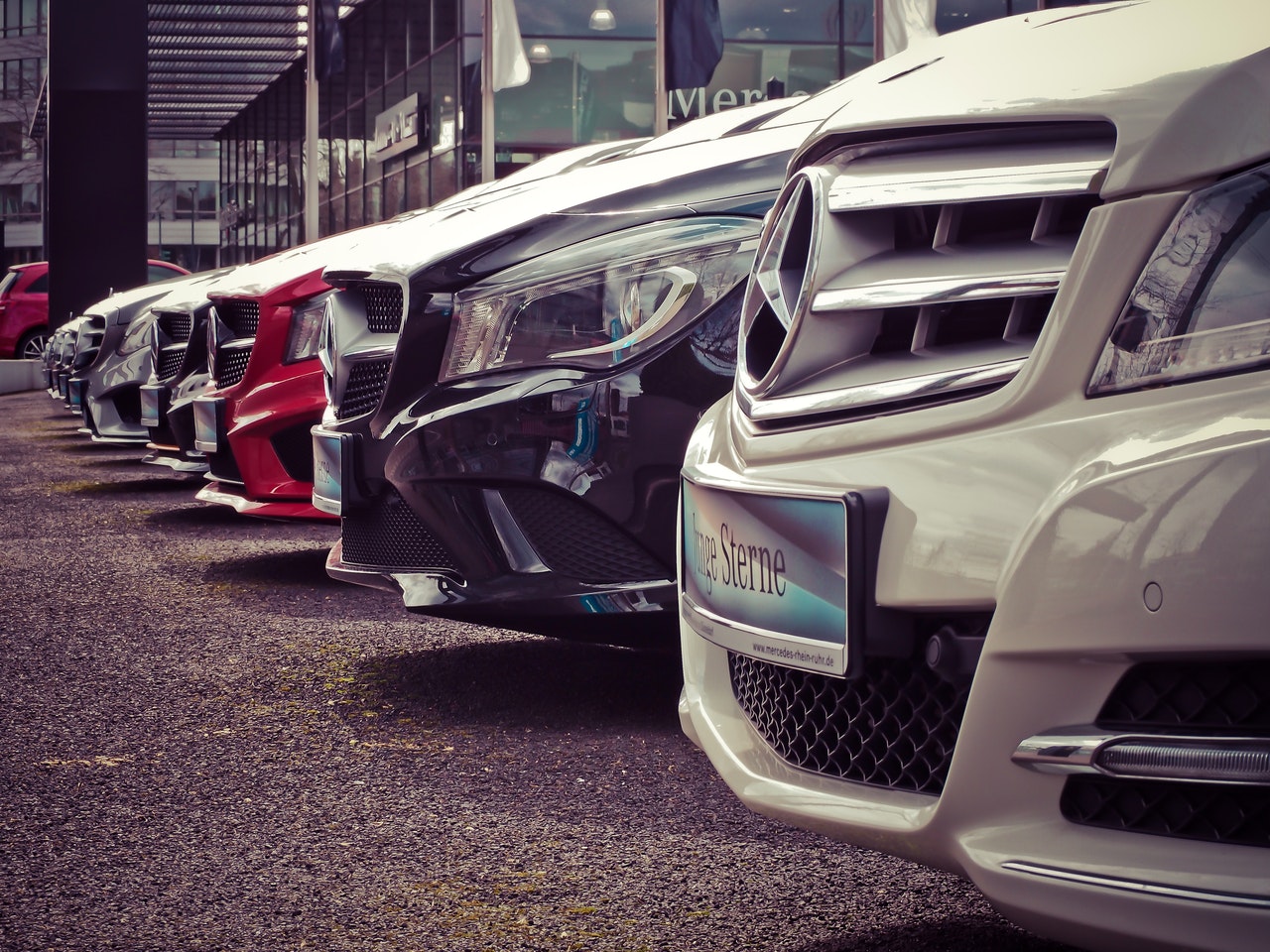
Commercial vehicle insurance protects vehicles used for business purposes. If your business operates several vehicles, fleet insurance may allow you to manage them under one policy schedule and renewal date.
We help businesses in Nicosia compare commercial vehicle and fleet insurance from the insurers we work with. This includes reviewing vehicle use, driver eligibility, cover levels, excesses and optional benefits.
What motor insurance does Cyprus law require?
Every commercial vehicle used on the road in Cyprus must have insurance that meets the compulsory third-party liability requirements.
Third-party insurance covers the insured’s legal liability for eligible:
It does not cover accidental damage to your business’s own vehicle.
A fleet policy does not remove the legal requirement. Every vehicle must be declared correctly and covered under the relevant policy schedule.
Commercial vehicle insurance or fleet insurance?
Commercial vehicle insurance
Commercial vehicle insurance covers an individual vehicle used for business, such as:
The insurer must know how the vehicle is used. Carrying your own tools is not necessarily treated in the same way as courier work, passenger transport, vehicle rental or carrying goods for payment.
Fleet insurance
Fleet insurance places multiple eligible vehicles under one policy or policy schedule.
The minimum number of vehicles differs between insurers. Some insurers accept relatively small fleets, while others require a larger number of vehicles.
If your business has only one or two vehicles, we can check whether individual commercial policies or available fleet terms are more suitable.
Choose the appropriate level of cover
Available options depend on the insurer, vehicle and business use.
Third-party liability
Provides the compulsory liability cover required by law. It does not normally cover accidental damage, fire or theft affecting your own vehicle.
Third-party, fire and theft
Where available, this adds specified fire and theft protection for the insured vehicle to the compulsory third-party cover.
Comprehensive insurance
Comprehensive commercial vehicle insurance can also cover accidental loss of or damage to the insured vehicle.
Cover remains subject to:
“Comprehensive” does not mean that every possible loss is covered.
What are the advantages of fleet insurance?
One policy schedule
Eligible vehicles can be recorded under one policy schedule, with a common renewal date. Individual vehicles may still have different cover levels, values or excesses.
Centralised administration
A fleet policy can make it easier to review vehicle details, insurance documents and renewal terms in one place.
Vehicle changes during the year
Vehicles can be added, replaced or removed during the policy period.
Flexible driver arrangements
Depending on the insurer, cover may be restricted to named drivers or extended to authorised drivers who meet the policy conditions.
Every change must be reported to the insurer and is subject to acceptance, revised terms and any additional or return premium. A new vehicle is not covered until the insurer or insurance agent confirms that the change has taken effect.
Named-driver or authorised-driver cover
Named drivers
Only the people named on the policy are insured to drive the relevant vehicle.
This option may suit a business where each vehicle is regularly used by one or two employees.
Authorised drivers
Some policies allow any authorised driver who meets specified conditions to use an insured vehicle.
These conditions may include:
“Any driver” does not mean literally anyone. Always check the exact driver definition in the policy and certificate of insurance.
Tell the insurer about younger, older or newly licensed drivers before they use a vehicle.
Ready to compare fleet options?
Send us your vehicles, drivers and business use and we will compare suitable cover.
Get a free commercial vehicle quoteWhat affects the price of fleet insurance?
Are goods and equipment covered?
Commercial motor insurance normally covers the vehicle and specified motor liabilities. It does not automatically insure tools, stock or customers’ goods carried inside the vehicle.
Depending on the business, separate protection may be needed for:
Tell us what your vehicles carry so that we can check whether additional insurance should be considered.
Optional fleet insurance benefits
Depending on the insurer, optional or included benefits may cover:
Limits, exclusions and availability differ by insurer and vehicle type.
Travelling outside Cyprus
If a commercial vehicle will be driven outside Cyprus, check the policy’s territorial limits before departure.
Depending on the destination, you may need:
Do not assume that every benefit available in Cyprus applies abroad.
Why arrange fleet insurance through an insurance agent?
Insurers apply different fleet-size thresholds, driver restrictions, excesses and rules for commercial vehicle use.
We help you review options available from the insurers we represent and compare:
Our role is to help you understand the differences before you choose a policy. We do not simply compare the headline premium.
Commercial vehicle insurance checklist
Before requesting a quote:
Frequently asked questions
Not necessarily. Minimum fleet sizes vary between insurers.
For a small number of vehicles, individual commercial motor policies may be more suitable. We can compare the available approaches based on the vehicles, drivers and business use.
No. Each vehicle must still have insurance that meets Cyprus’s compulsory third-party liability requirements.
Fleet insurance is a way of arranging and administering cover for multiple vehicles under one policy structure.
Named-driver cover restricts driving to the people shown on the policy.
Authorised-driver cover may allow other drivers to use the vehicles, provided they have the business’s permission and meet all the policy’s age, licence and experience requirements.
Yes, subject to the insurer’s acceptance.
Contact the insurance agent before the vehicle is used. Cover begins only when the insurer or agent confirms the change and its effective date.
Fleet policies allow changes during the policy period, subject to the insurer’s terms.
The change may produce an additional or return premium. Removing a vehicle from the schedule also removes its insurance from the confirmed effective date.
Not automatically.
The motor policy usually covers the vehicle and motor liabilities. Stock, tools and customers’ goods may require separate goods-in-transit, tools or cargo insurance.
Not necessarily. Some insurers may consider telematics, cameras, security and driver training when assessing the risk.
Even without a specific discount, these measures may support driver management and provide useful information when investigating an incident.
The driver must hold a licence valid for the relevant vehicle in Cyprus.
Insurers may also impose their own age, experience, licence and claims-history conditions. These differ between policies and should be checked against everyone who may drive.
No. Comprehensive insurance provides wider protection but remains subject to exclusions, excesses, territorial limits and the declared use of the vehicle.
Mechanical failure, wear and tear, undeclared drivers or incorrect business use may not be covered.
Depending on the insurer, a fleet may include different cover levels or excesses for individual vehicles.
For example, newer vehicles might have comprehensive cover while older vehicles have third-party cover.
An insurance agent can explain the products available from the insurers they represent and help you compare fleet thresholds, driver terms, cover levels and exclusions.
Whichever route you choose, provide accurate information about the vehicles, drivers and business use.
Compare commercial vehicle and fleet insurance
Whether your business operates one van or manages a larger fleet, we can help you compare cover from the insurers we work with.
Get a free commercial vehicle insurance quoteInformation last reviewed: September 2026.